LSI Enhances Applus+ Laboratories’ Wind Turbine Blade Fatigue Testing Capability
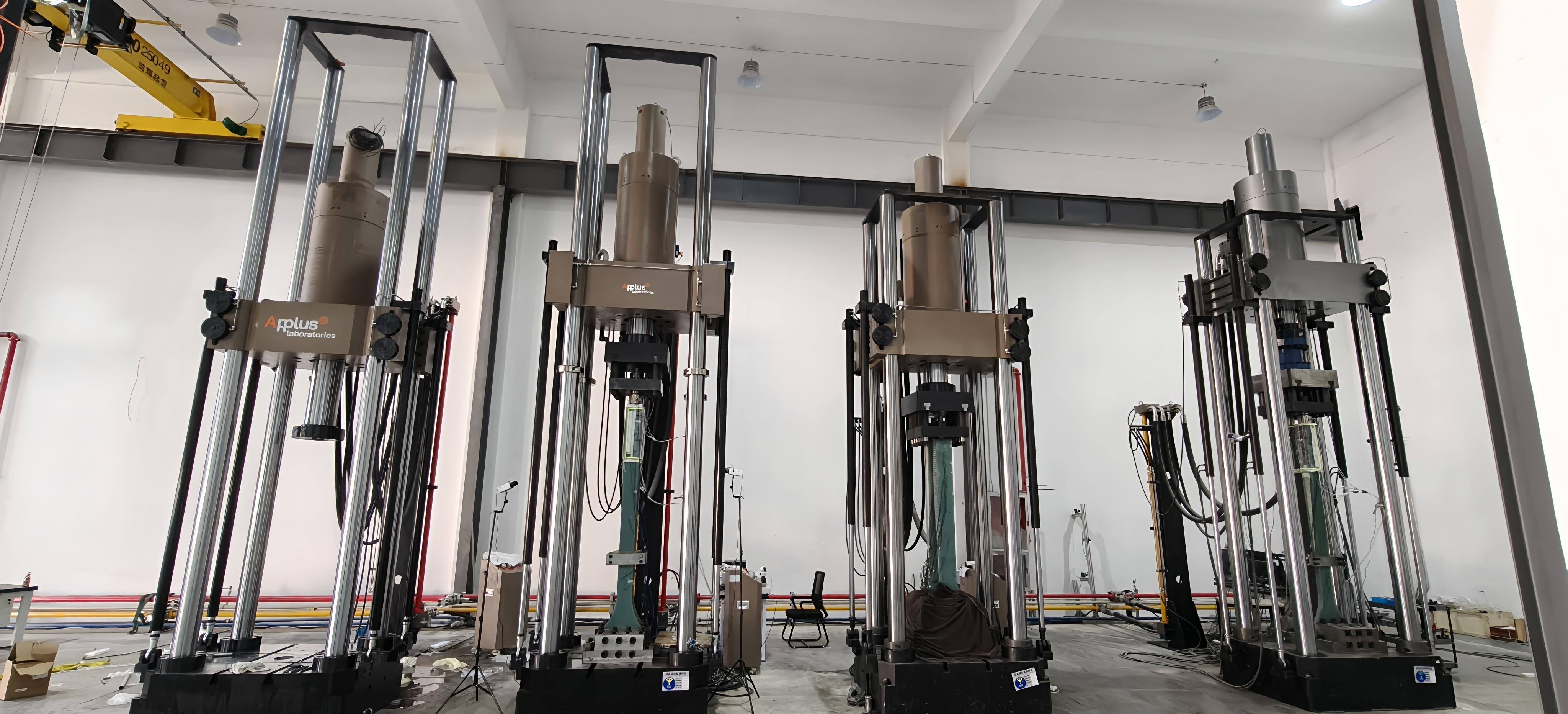
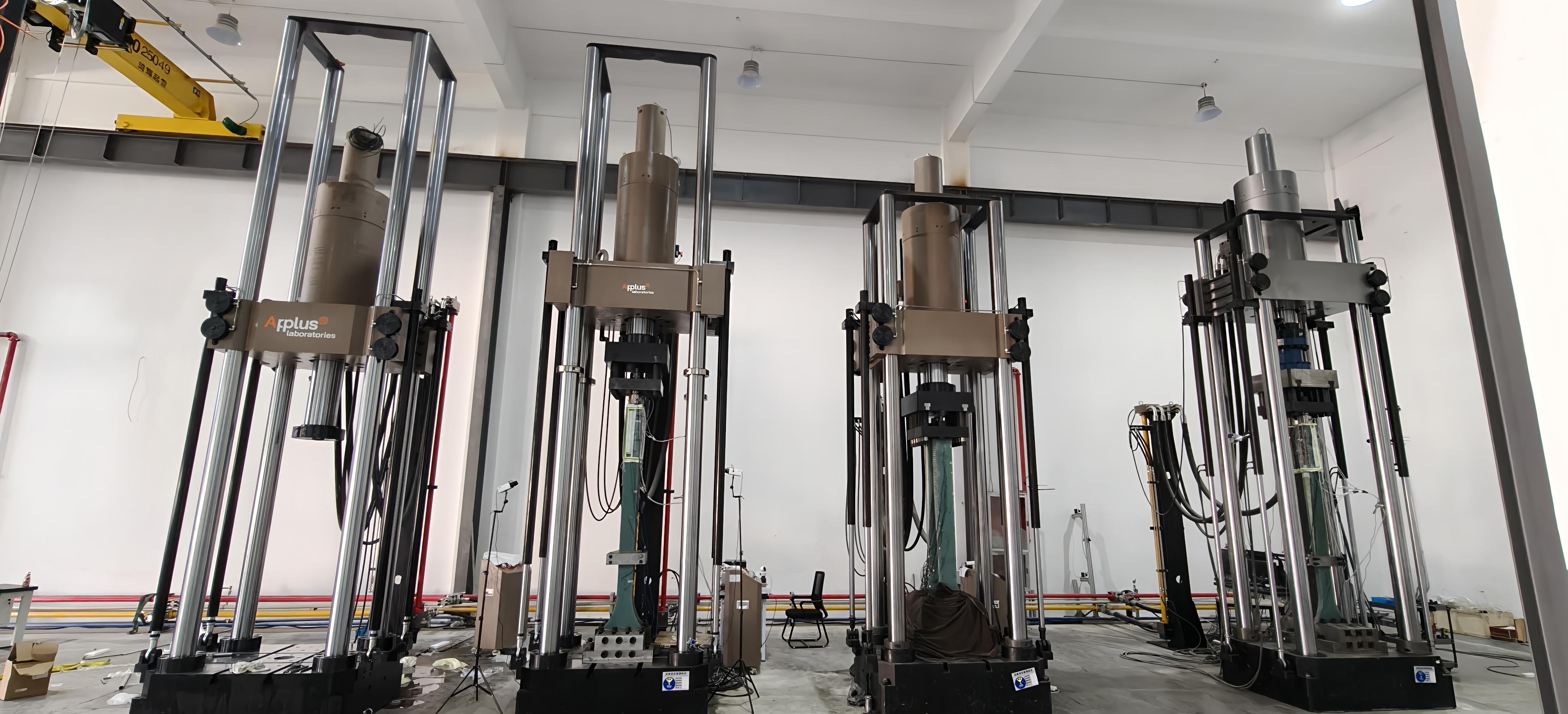
LSI’s 100-tonne and 300-tonne wind turbine blade fatigue testing systems help Applus+ Laboratories strengthen large-scale structural reliability verification with high-rigidity loading, 28 MPa hydraulic power and coordinated control.
LSI Enhances Applus+ Laboratories’ Wind Turbine Blade Fatigue Testing Capability
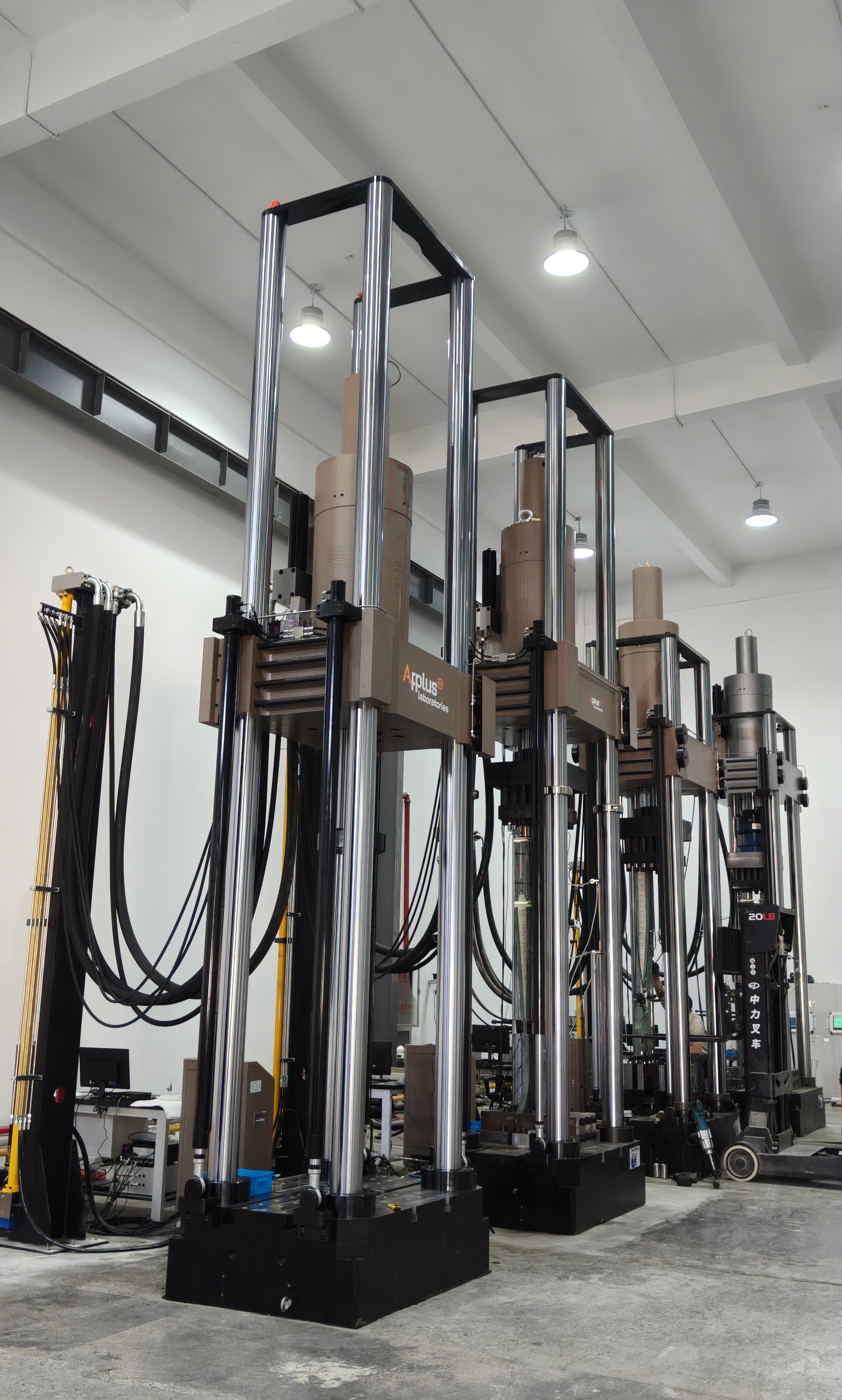
LSI has supplied Applus+ Laboratories with 100-tonne and 300-tonne wind turbine blade fatigue testing systems. By combining high-rigidity load-bearing structures, 28 MPa hydraulic power and coordinated multi-station control, the solution supports reliable fatigue verification for large-scale blade structures operating under demanding service conditions.
The Challenge: Validating Larger Blades Under More Demanding Loads
As wind turbine blades continue to increase in size, efficiency and structural complexity, fatigue testing must keep pace with higher load levels, larger test envelopes and more rigorous reliability requirements. For large blades, long-term cyclic loading needs to reproduce demanding service conditions while maintaining stable control, dependable measurement and a safe, efficient testing workflow.Conventional test systems can be constrained by loading capacity, available structural space and test efficiency when applied to very large wind turbine blades. Applus+ Laboratories therefore required a tailored solution that would strengthen its capability to validate large blade structures and provide a dependable platform for extended fatigue testing.
The LSI Solution: A High-Load, Integrated Fatigue Test Platform
LSI configured 100-tonne and 300-tonne fatigue testing systems for wind turbine blades, designed around high-rigidity load-bearing structures. The test platforms are built to support sustained, repeated high-load operation and to meet the structural demands associated with large blade fatigue verification.The hydraulic system incorporates 28 MPa high-pressure hydraulic power. Two to three hydraulic stations operate in coordination to improve overall test efficiency and support synchronized control of multiple actuators. Together with fatigue-resistant hydraulic components and high-precision measurement technology, the system is engineered to provide stable loading and reliable test data throughout demanding fatigue programmes.To address the control challenges associated with long-duration fatigue testing, the solution integrates advanced hydraulic control and coordinated multi-actuator operation. This configuration enables the platform to support complex loading requirements while helping maintain stable, continuous test execution.
Solution Highlights
Value for Applus+ Laboratories
With this solution, Applus+ Laboratories has strengthened its large wind turbine blade structural reliability testing capability. The integrated platform helps overcome the loading, space and workflow constraints that can limit conventional solutions, supporting more efficient and more precise fatigue performance verification for large blade structures.The system also helps testing teams carry out validation under conditions that more closely reflect real operating demands. With stable loading, coordinated control and reliable measurement working together, the platform supports a stronger evidence base for blade structural assessment and quality assurance.
Engineering Support for Complex Test Challenges:
LSI develops fatigue testing solutions around the specific requirements of the test object, loading method and laboratory workflow. From large-scale load-bearing structures and hydraulic power systems to control integration and measurement configuration, our engineering team works with customers to create dependable platforms for complex structural validation.
High load! High rigidity! High confidence!
A purpose-built fatigue testing platform for the evolving demands of large wind turbine blade validation.